

Current Exhibition
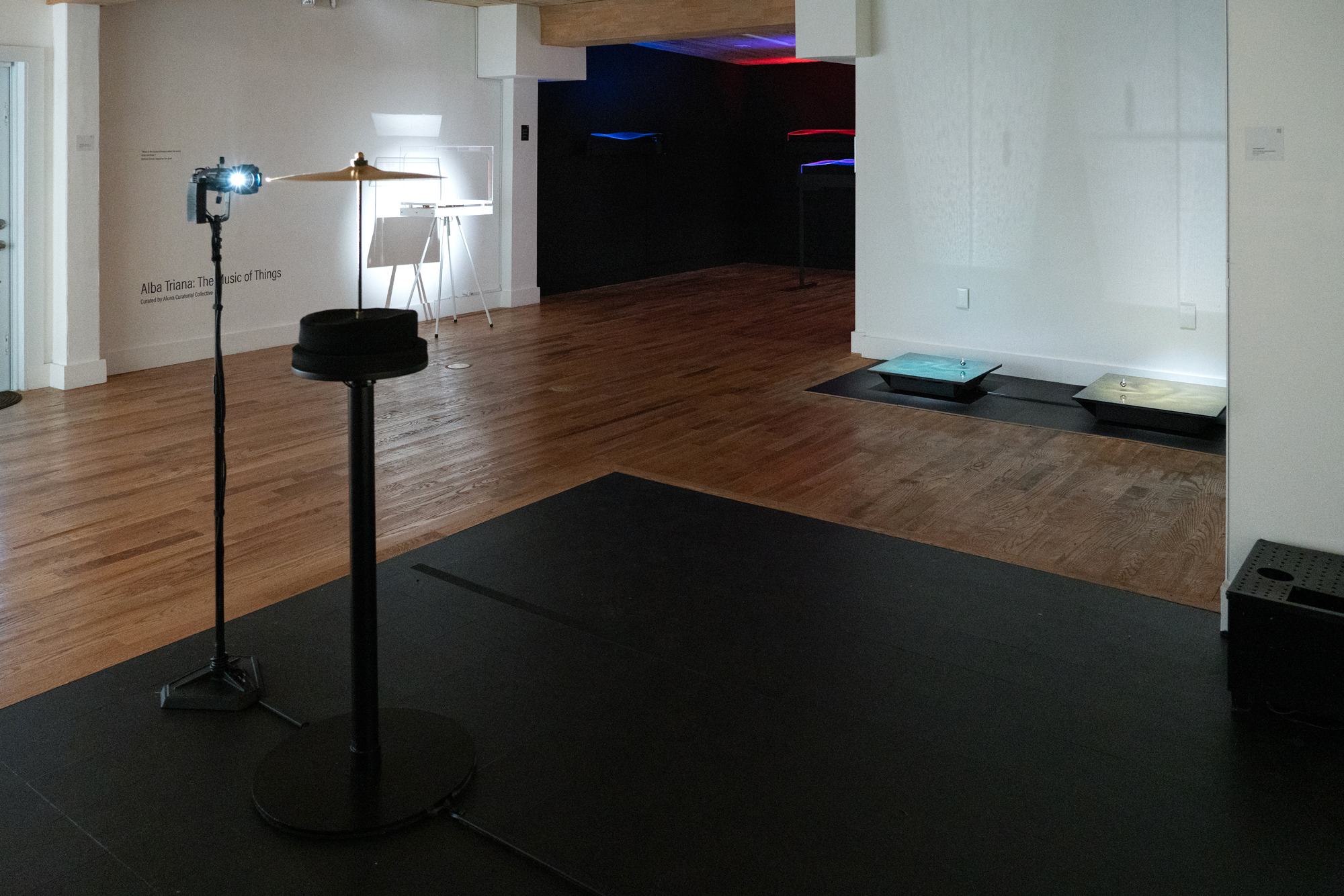
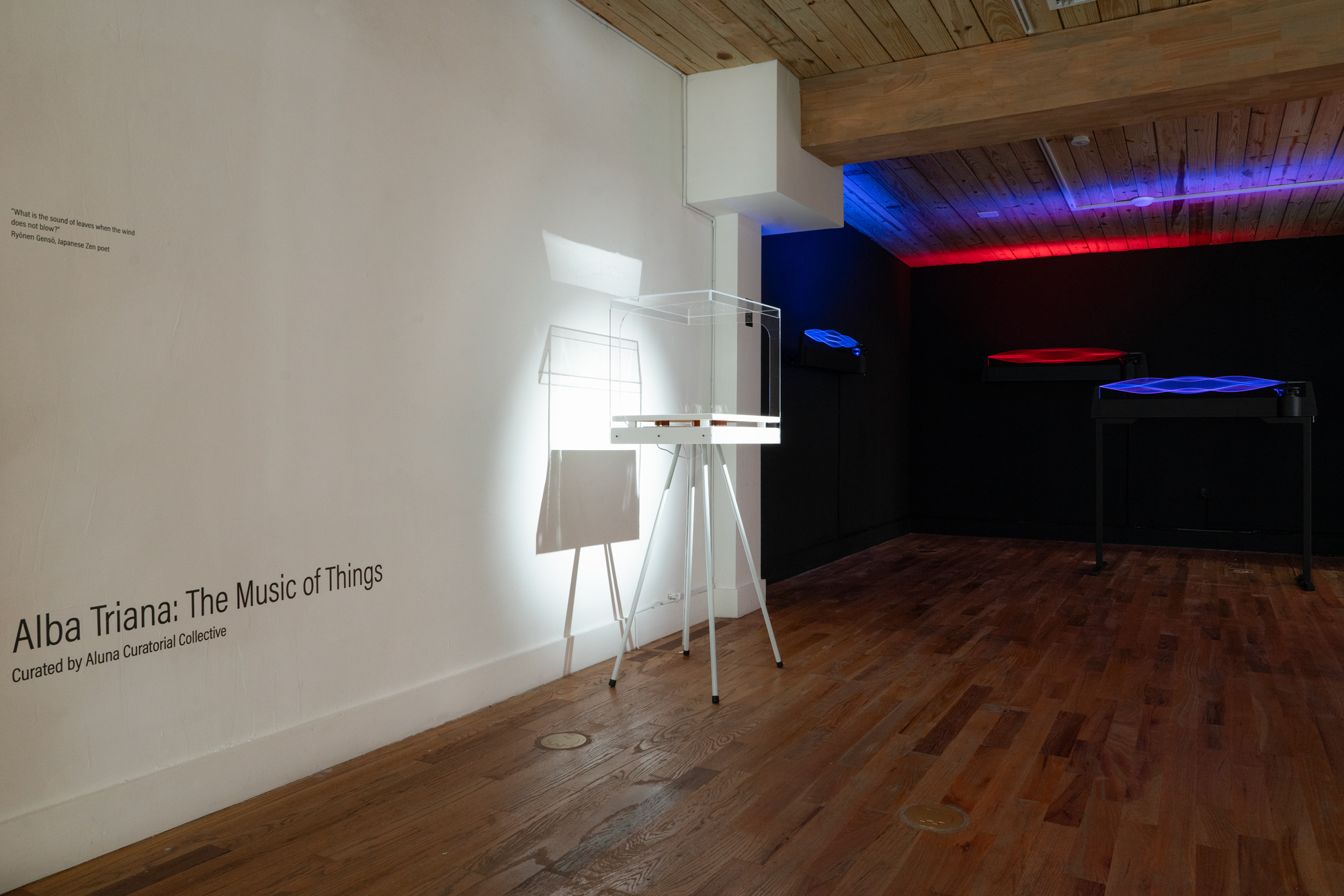
Alba Triana: The Music of Things
Curated by Aluna Curatorial Collective
Alba Triana: The Music of Things
“…the cosmos is not dead matter but a living presence” (Mircea Eliade)
“Listen only to the voice of the pines and the cedars when no wind blows,” wrote the Japanese Zen poet Ryōnen Gensō in the seventeenth century, thereby making timeless the question: What is the sound of the leaves when the air does not move? Alba Triana (b. Colombia), a composer by training, learned from the experience—unlooked for but profoundly meaningful—of temporary physical immobility to listen to the “music,” inaudible and interior, of all things. “Not sound, which is an audible vibration,” she explains, “a human notion restricted to what we are capable of hearing; but rather the pulse of everything that exists, organic and inorganic, since everything, at a minute level, is vibration.”
Upon crossing the threshold into another mode of knowledge and creation, her art—beyond the visible or the audible—becomes a way of manifesting within the perceptible realm the primordial force, the vitality, the essence that inhabits all things, for “everything lives!” and the whole of her work is joyously aware of the interconnectedness present in all that exists.
As in the very origin of philosophy and its inquiry into the ἀρχή (arjé or archē), with which the Greeks sought the fundamental principle of all things, in 2018, when—with the support of the Pro Helvetia Swiss Art Council—she was able to visit the particle collider of the European Organization for Nuclear Research (CERN), she, who lives in a state of humble wonder before the universe, asked about the omnipresent vitality of the physical world. The answer reaffirmed that everything in the physical world can be reduced to electromagnetic interactions among particles.
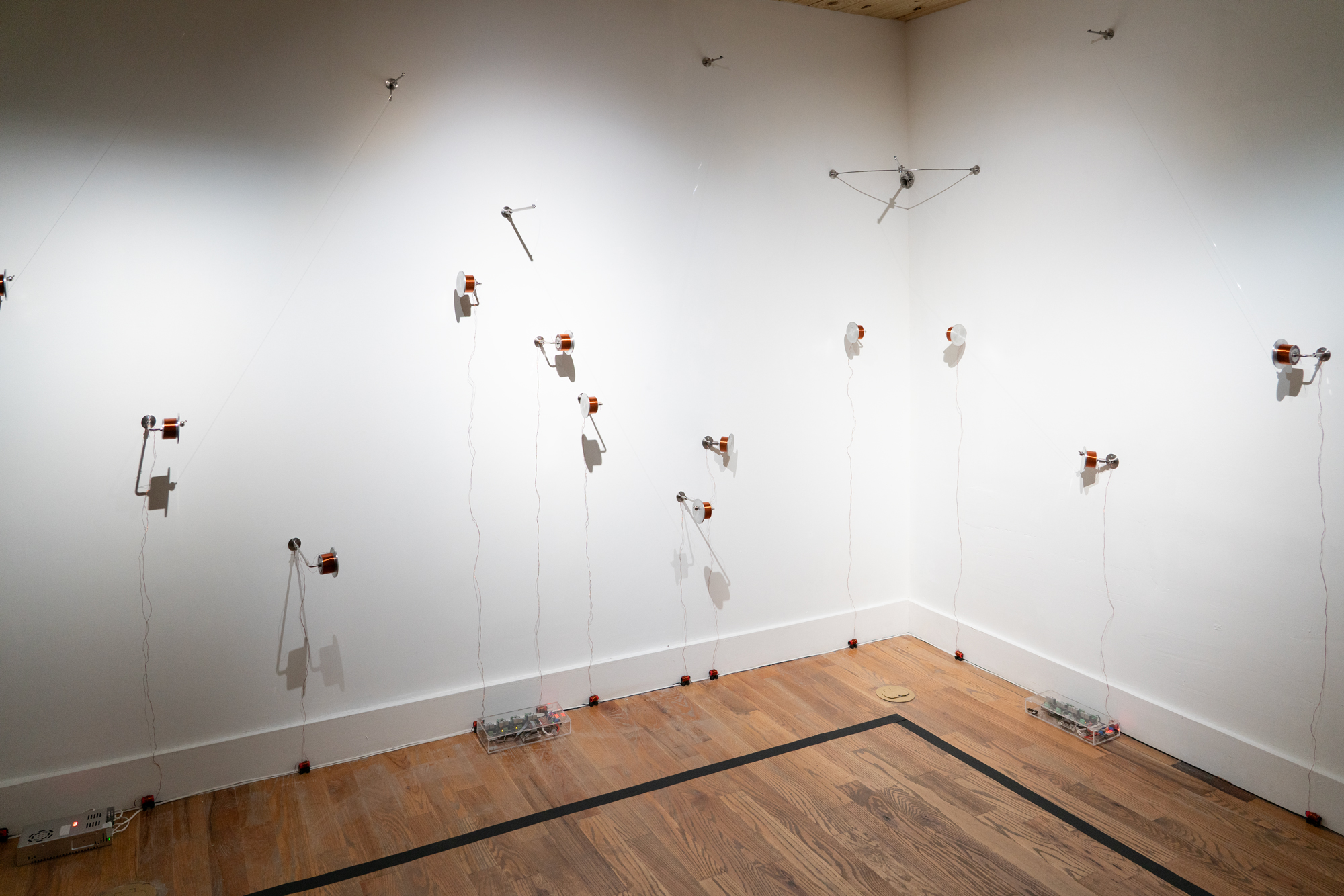
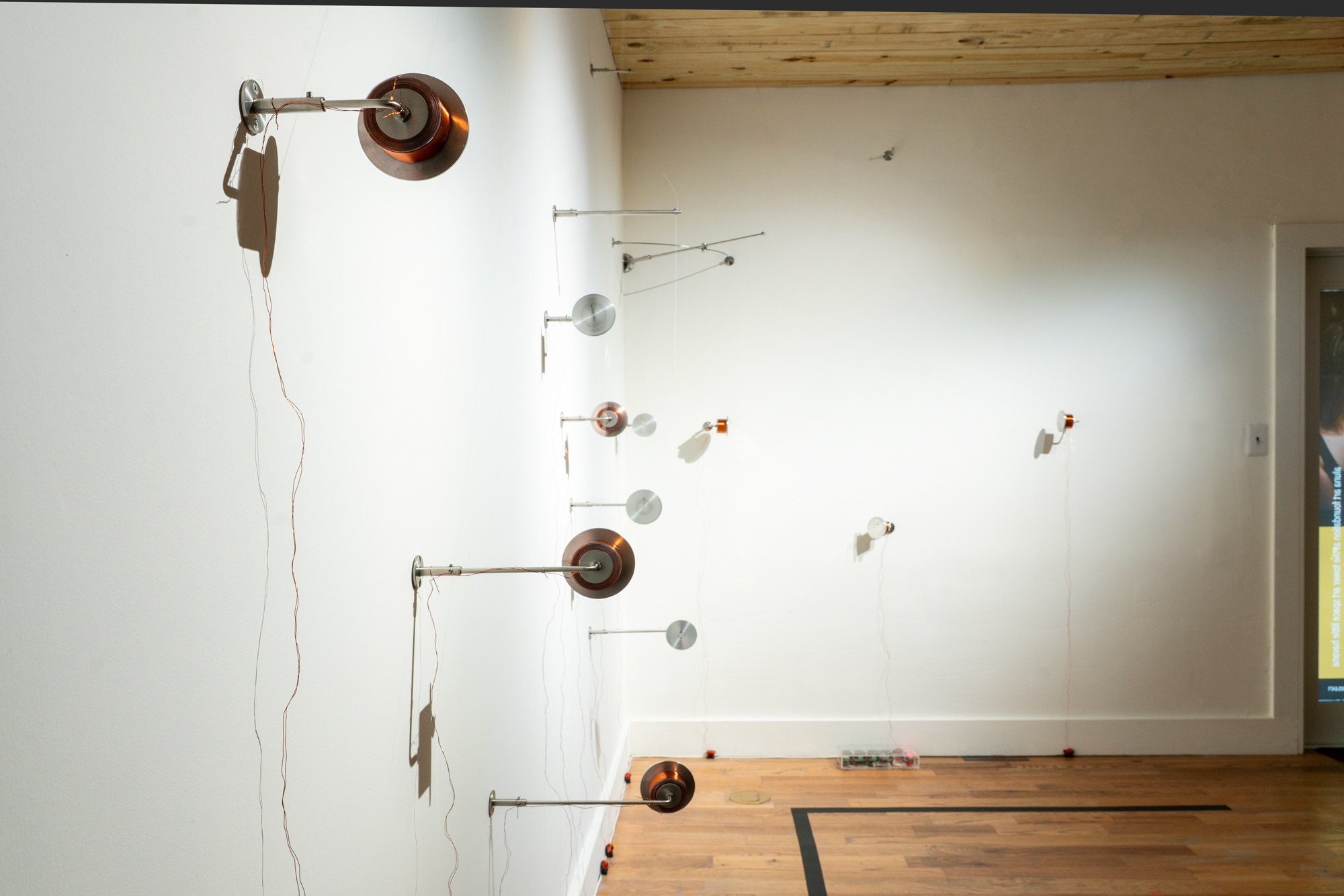
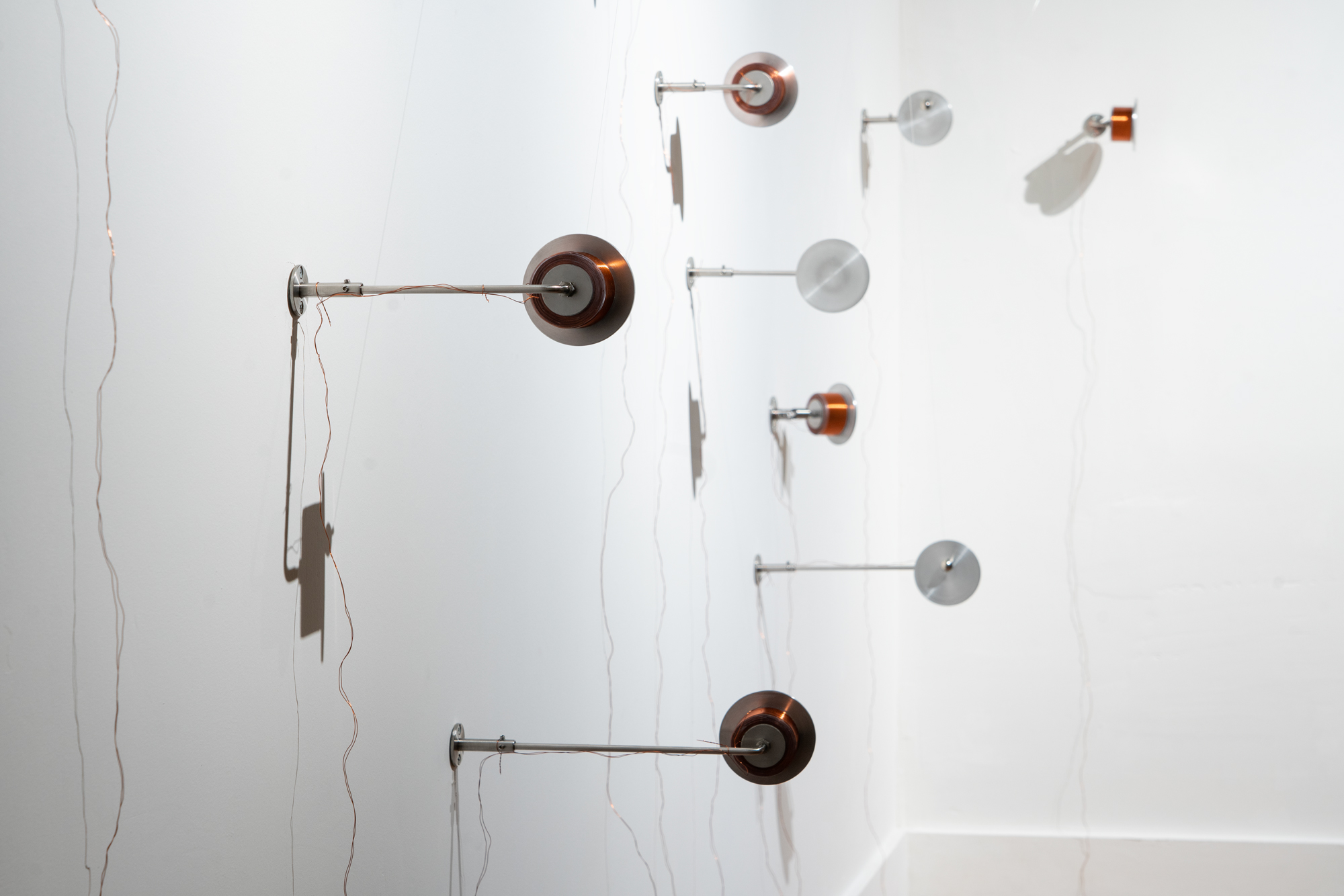
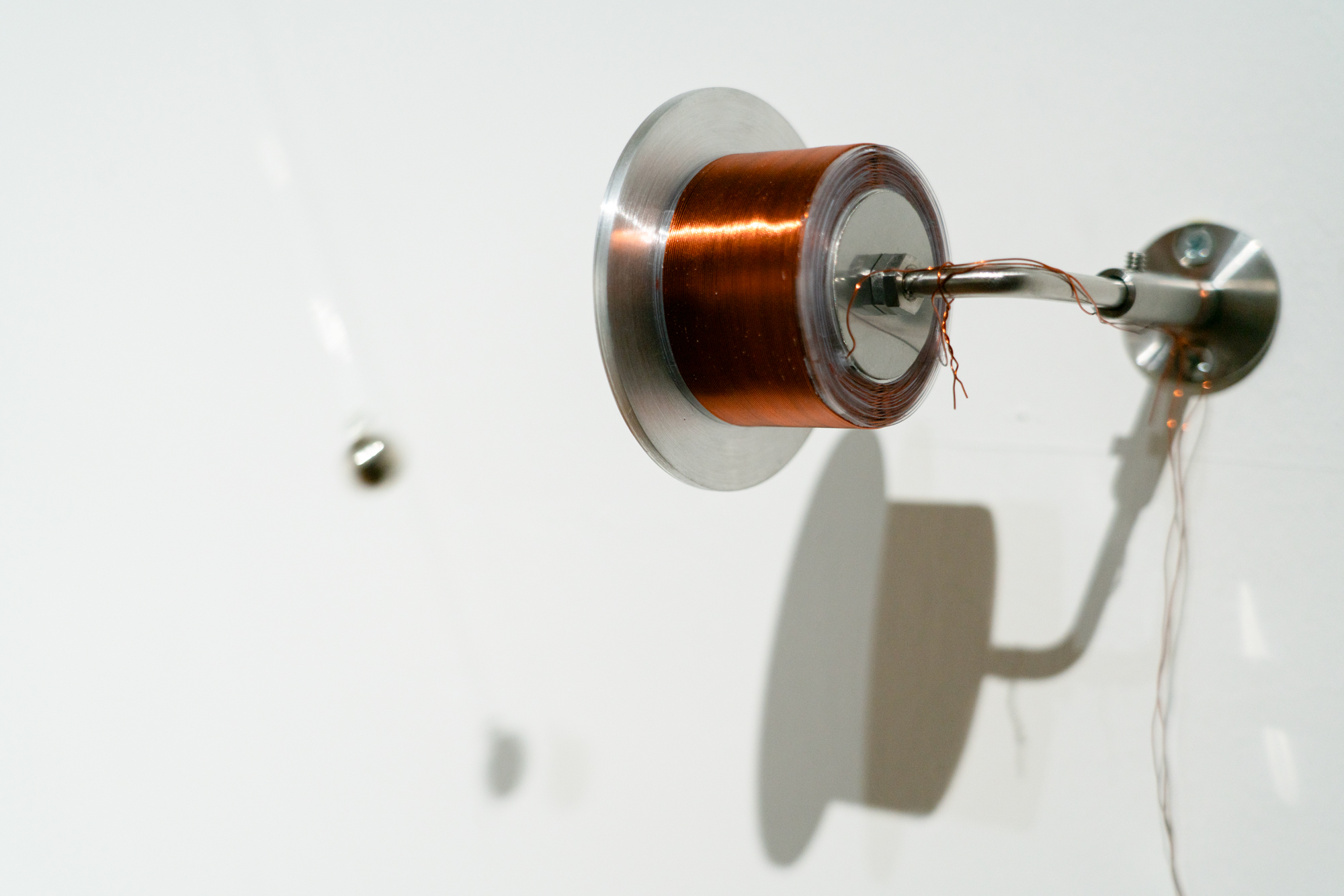
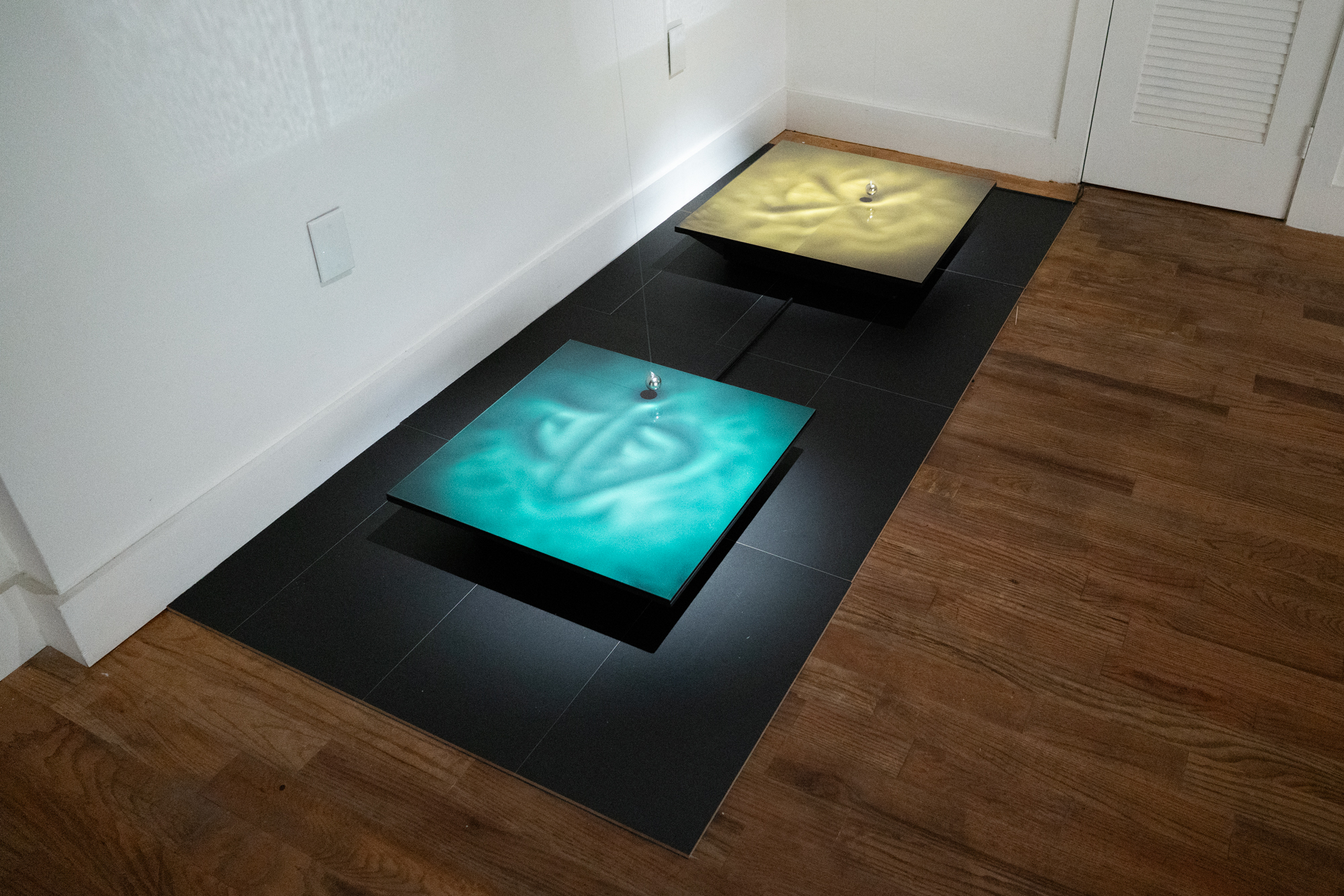
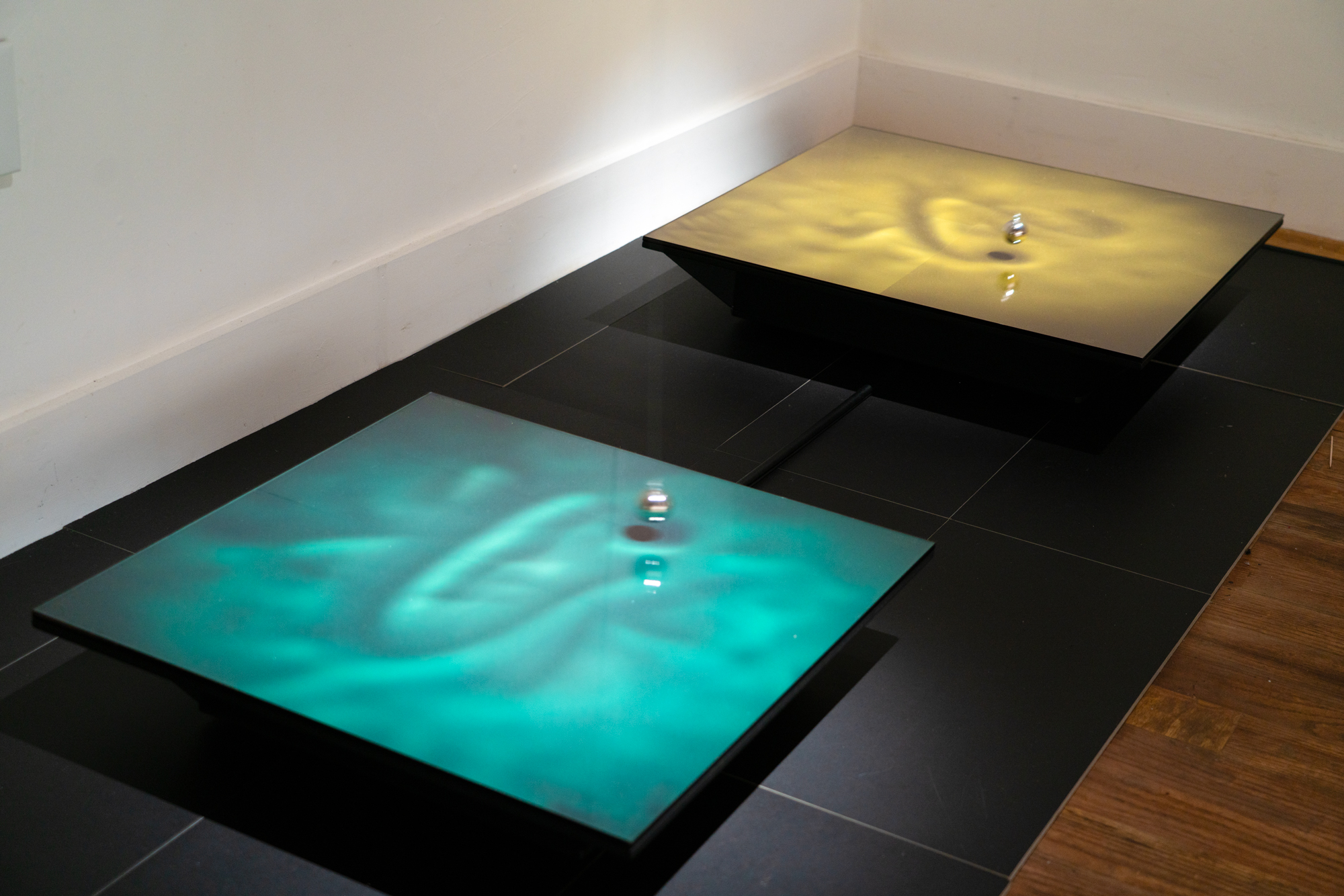
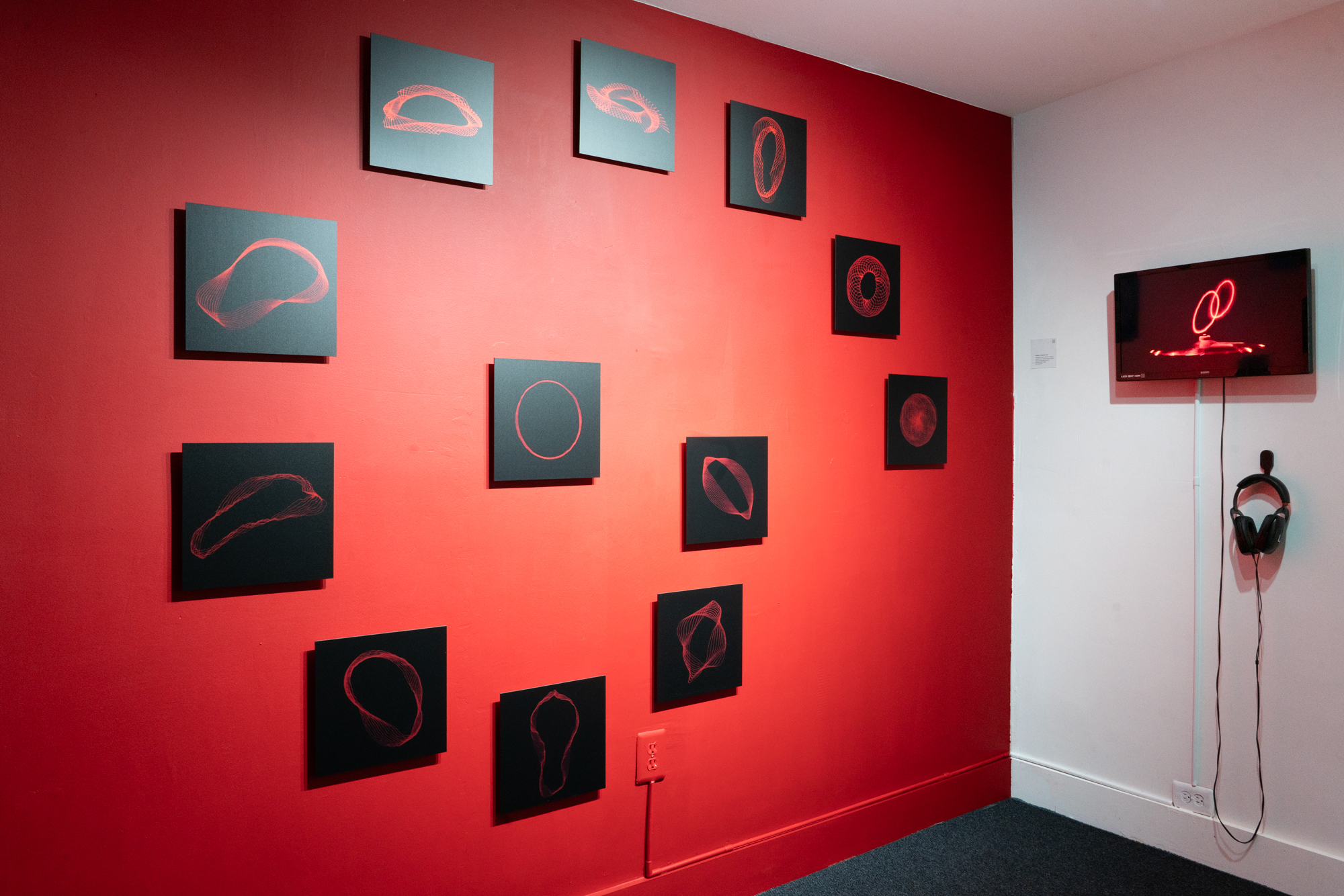
This understanding—that at a minuscule level, everything vibrates and is interconnected—not only gives rise to installations such as Dialogue With the Primordial Sea (2024), Entropic Ballet 2.0 (2022), and Orbits (2021), but in fact articulates, throughout the whole of her work, a vital experience that cannot be expressed in words yet ultimately provokes—much like entering a temple—an immersion in the primordial beauty of the universe, a resonance that opens the threshold toward the intelligence that inhabits everything.
“There is beauty that is sought, constructed, and there is a fundamental kind of beauty that has to do with the natural order. It is not fabricated. It is this latter form that I want to manifest in my works,” Triana says. The entirety of her research is indeed a poetic exercise that places us before the sublime. She knows that “there is a moment when a material piece of art can induce something in the one who perceives it—a form of experiential knowledge.” For this reason, she wishes to be an invisible vehicle, so as not to interfere with the way her art manifests what Nietzsche attributed to music: the capacity “to connect us with the primordial One that precedes every phenomenon.”
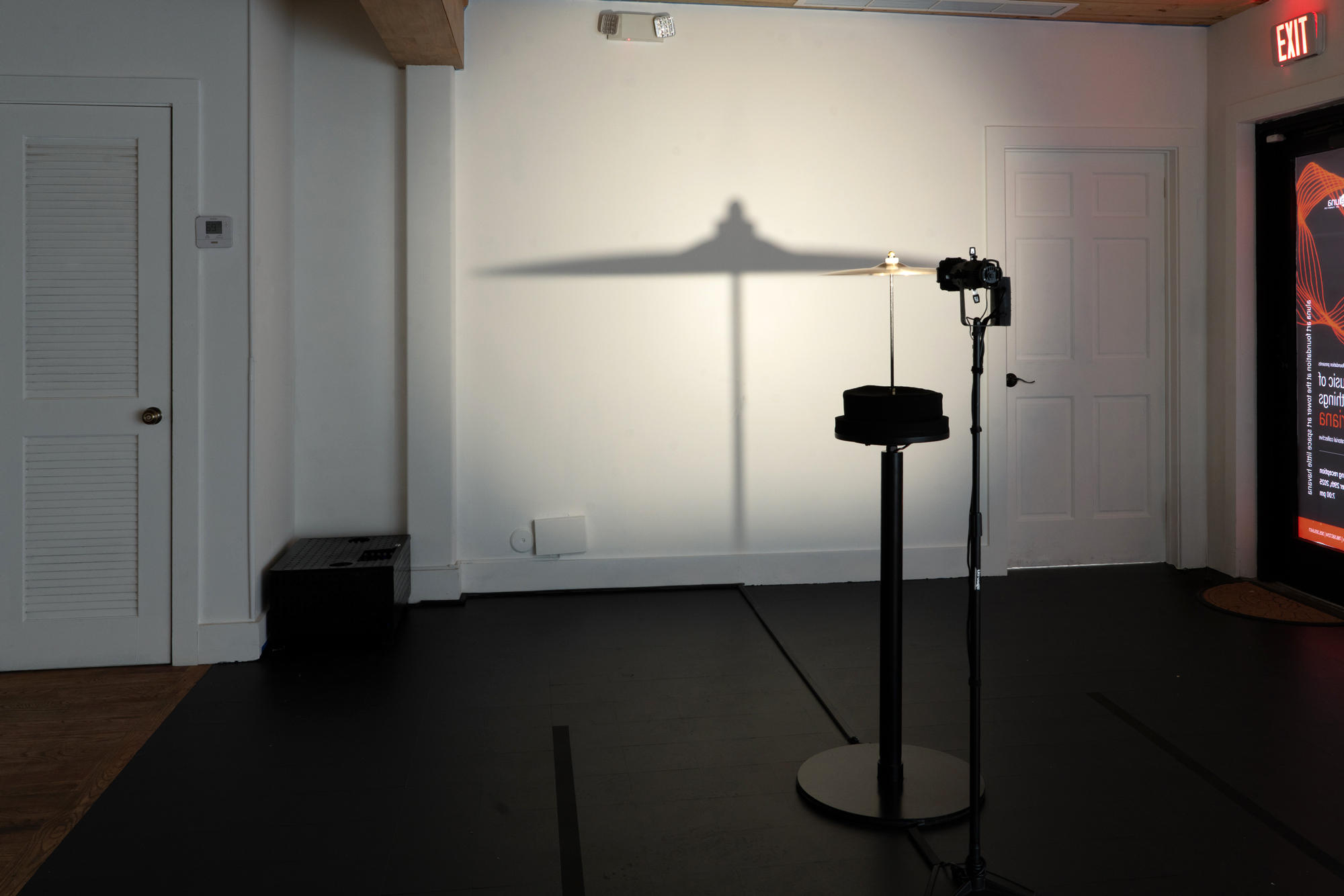
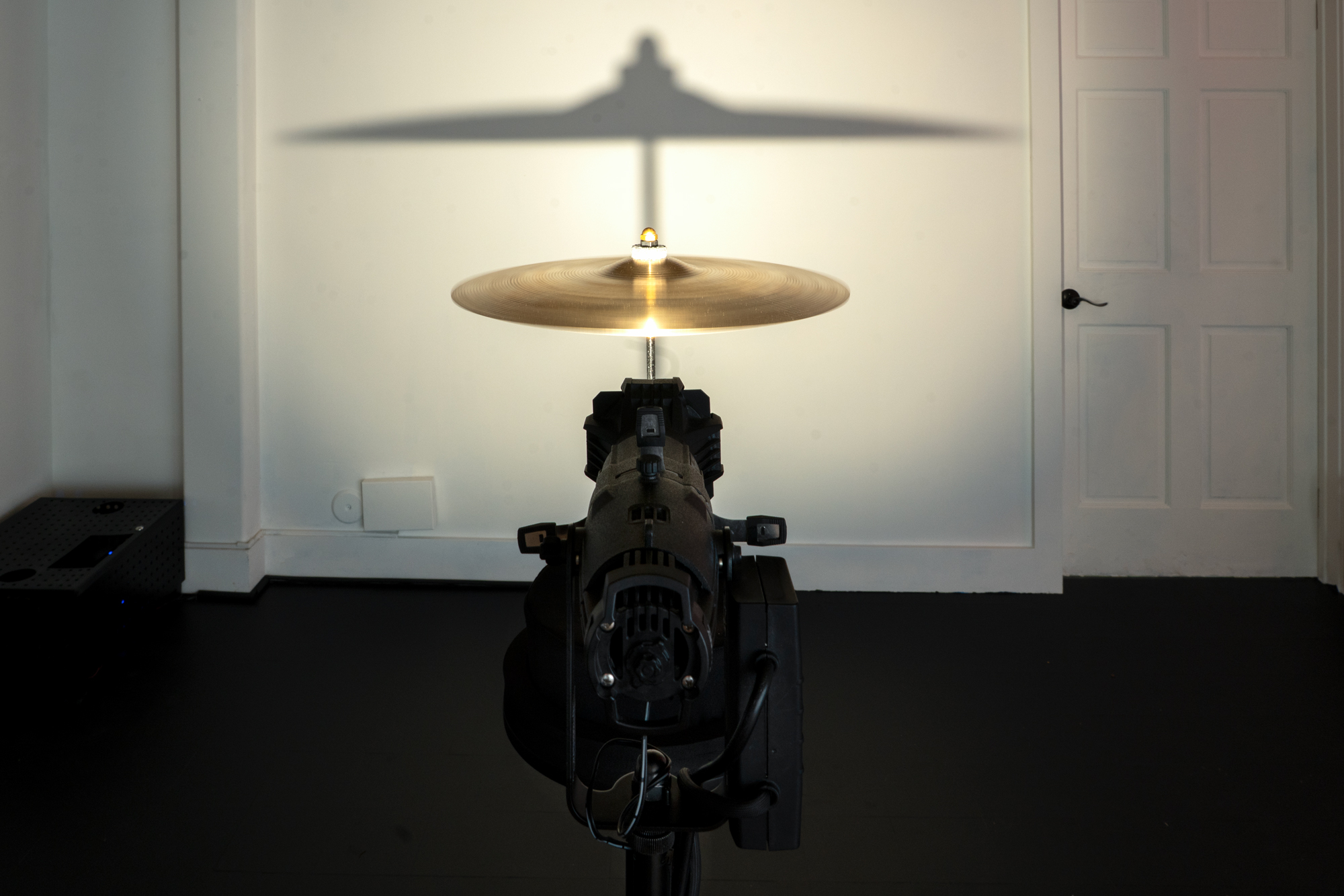
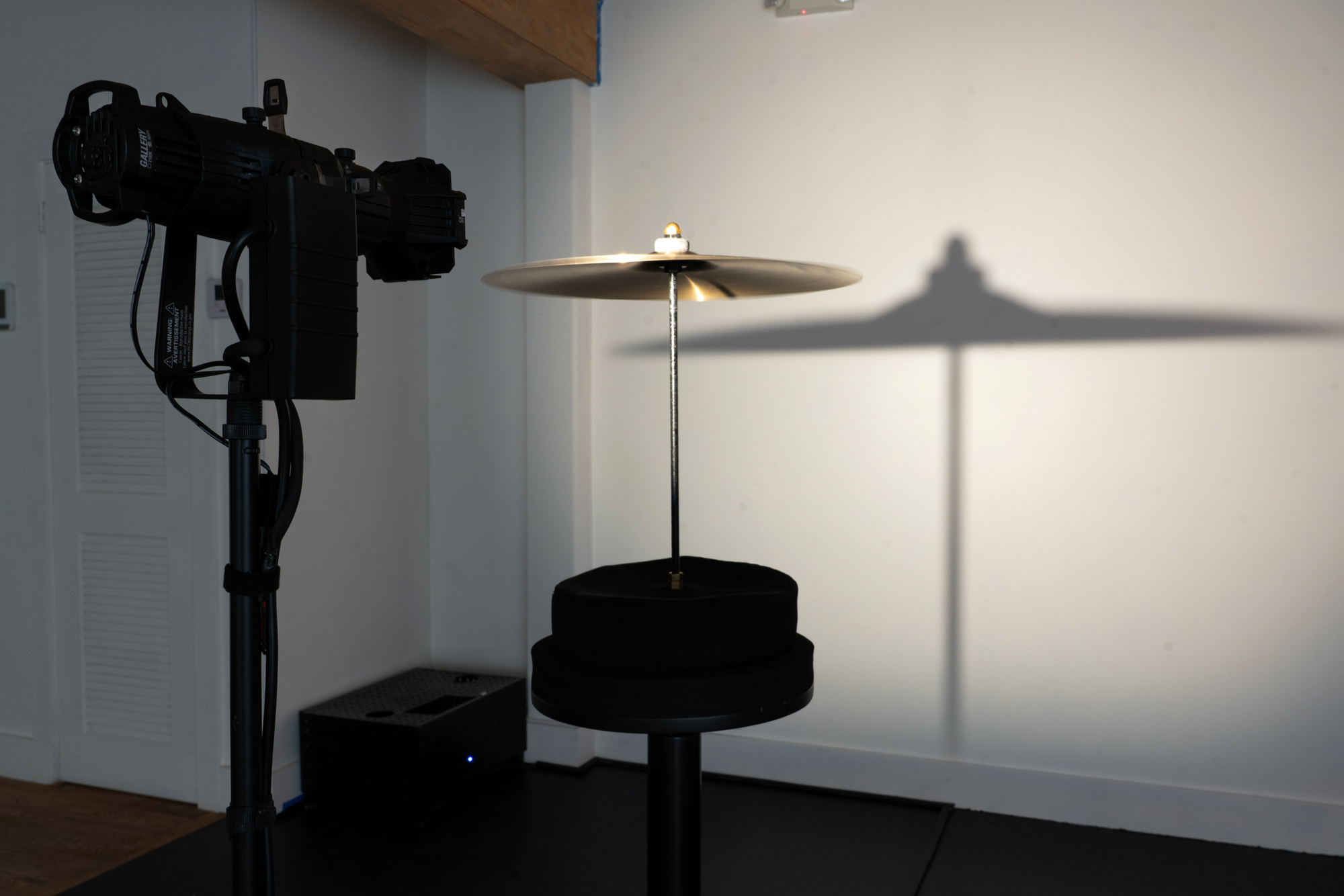
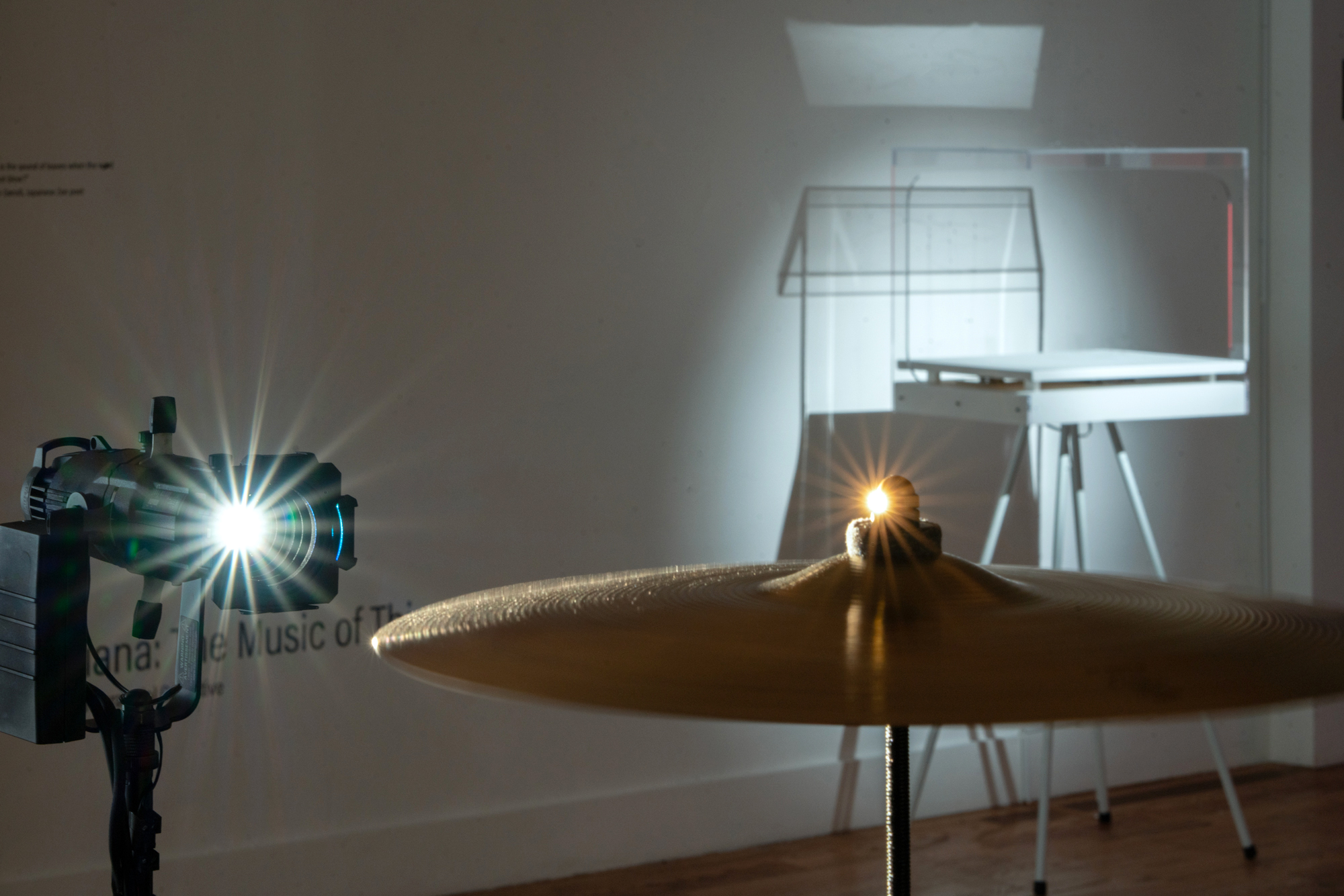
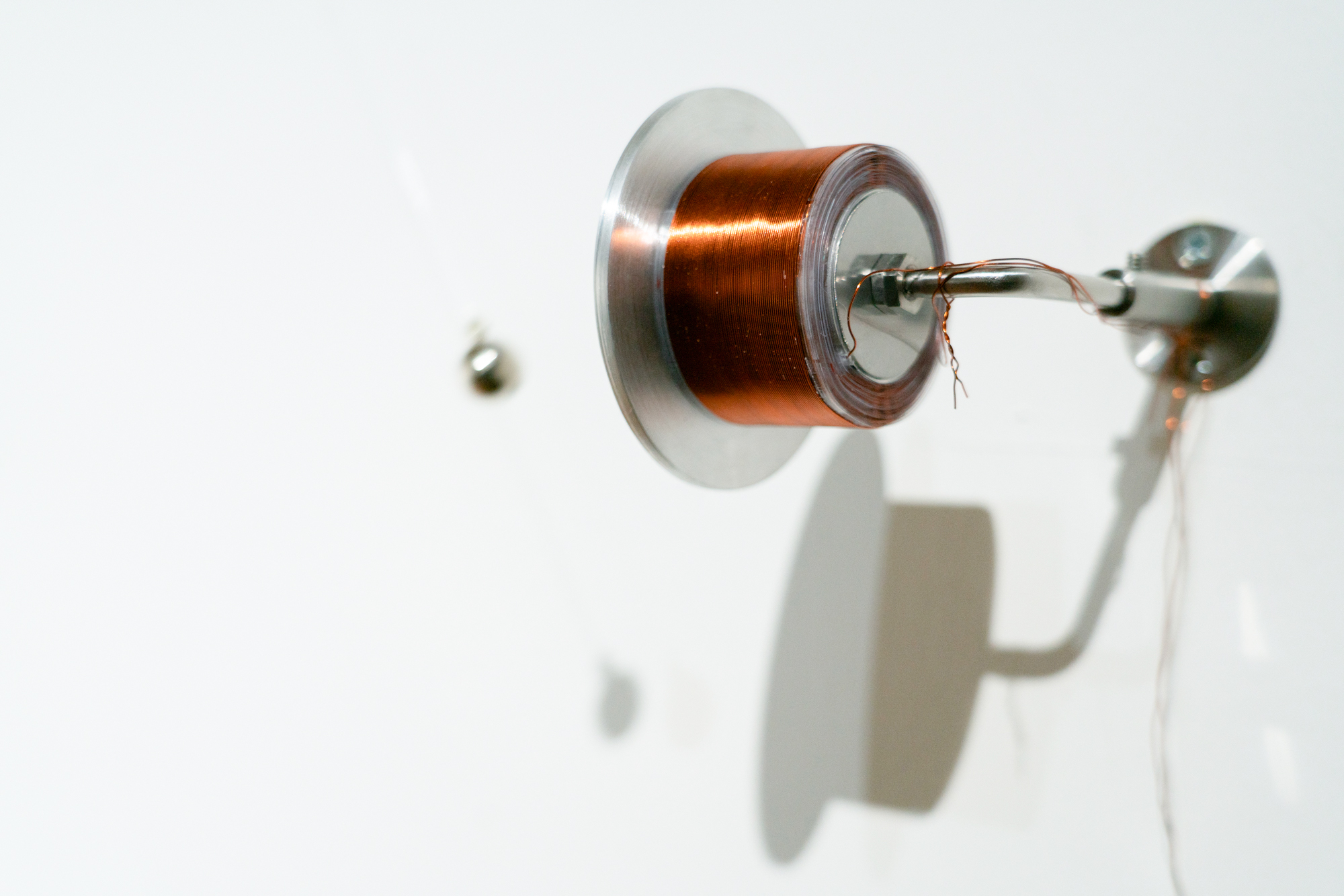
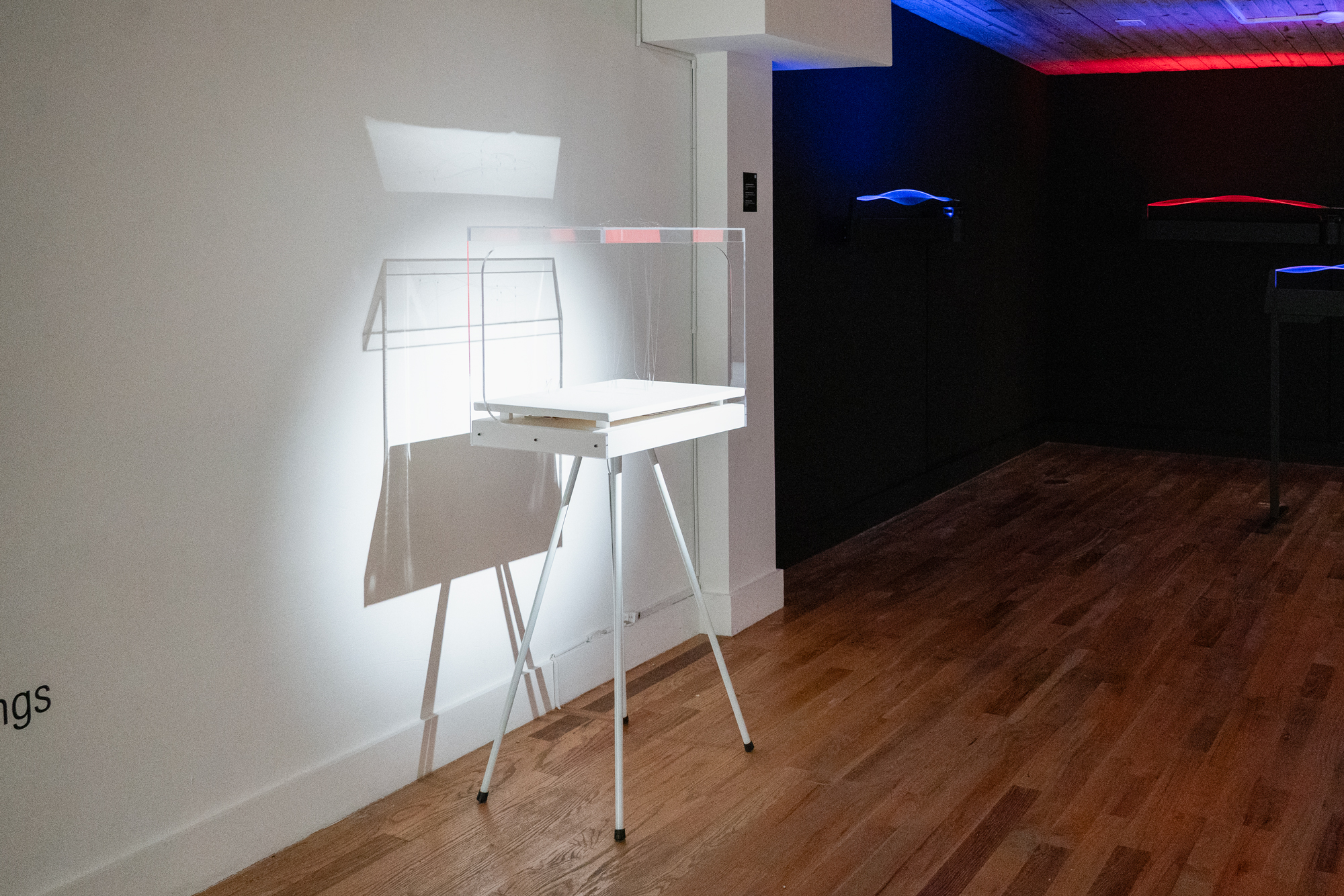
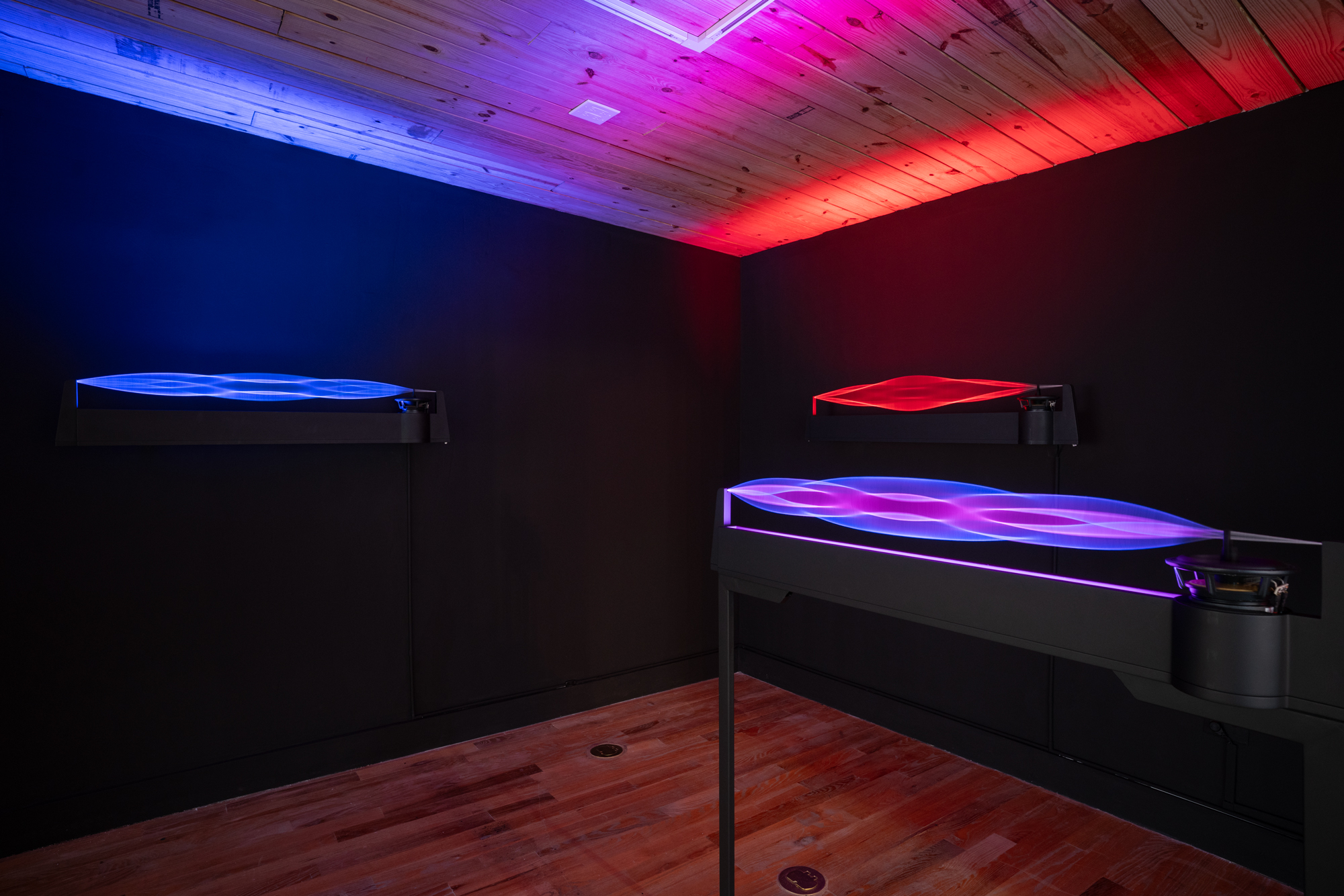
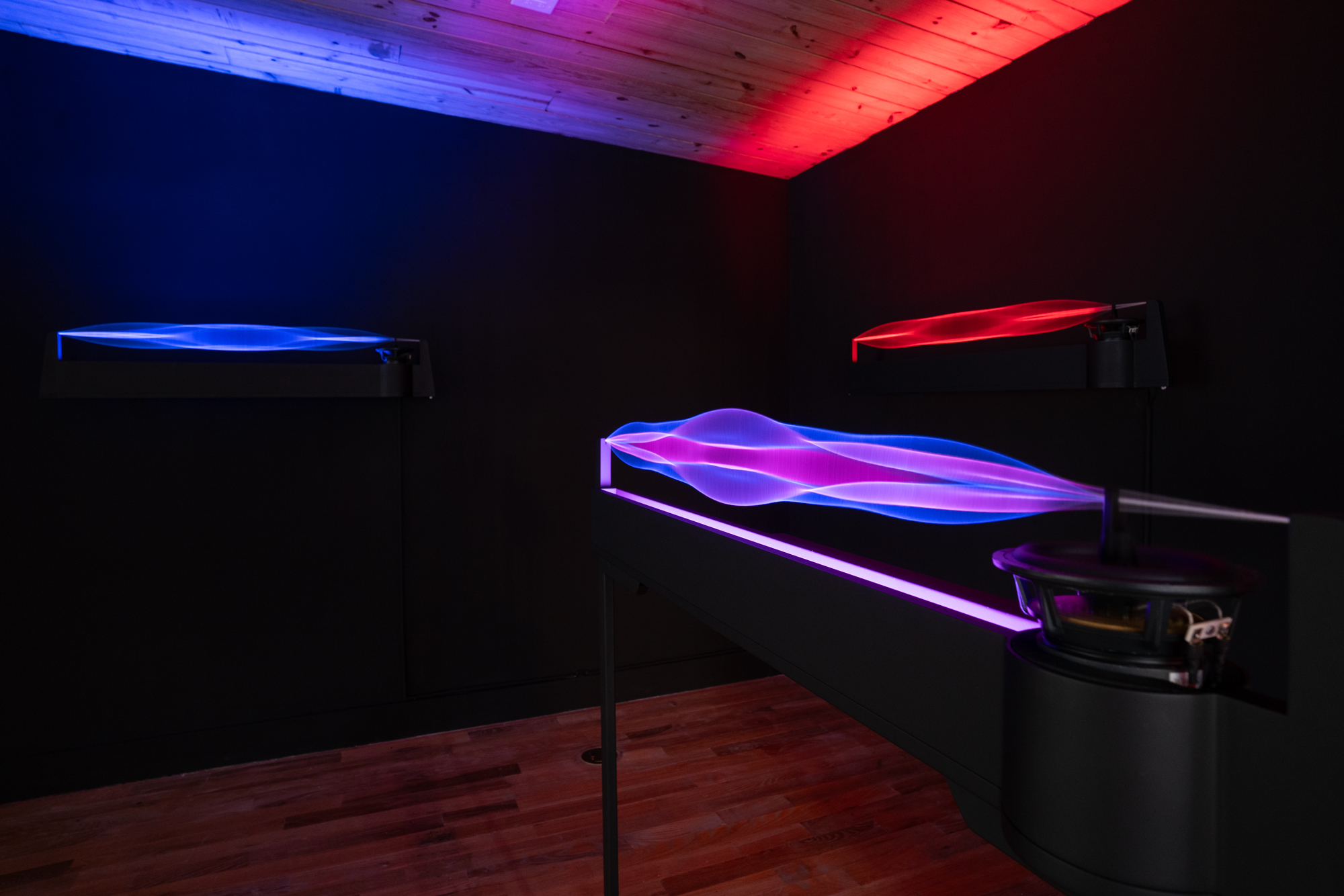
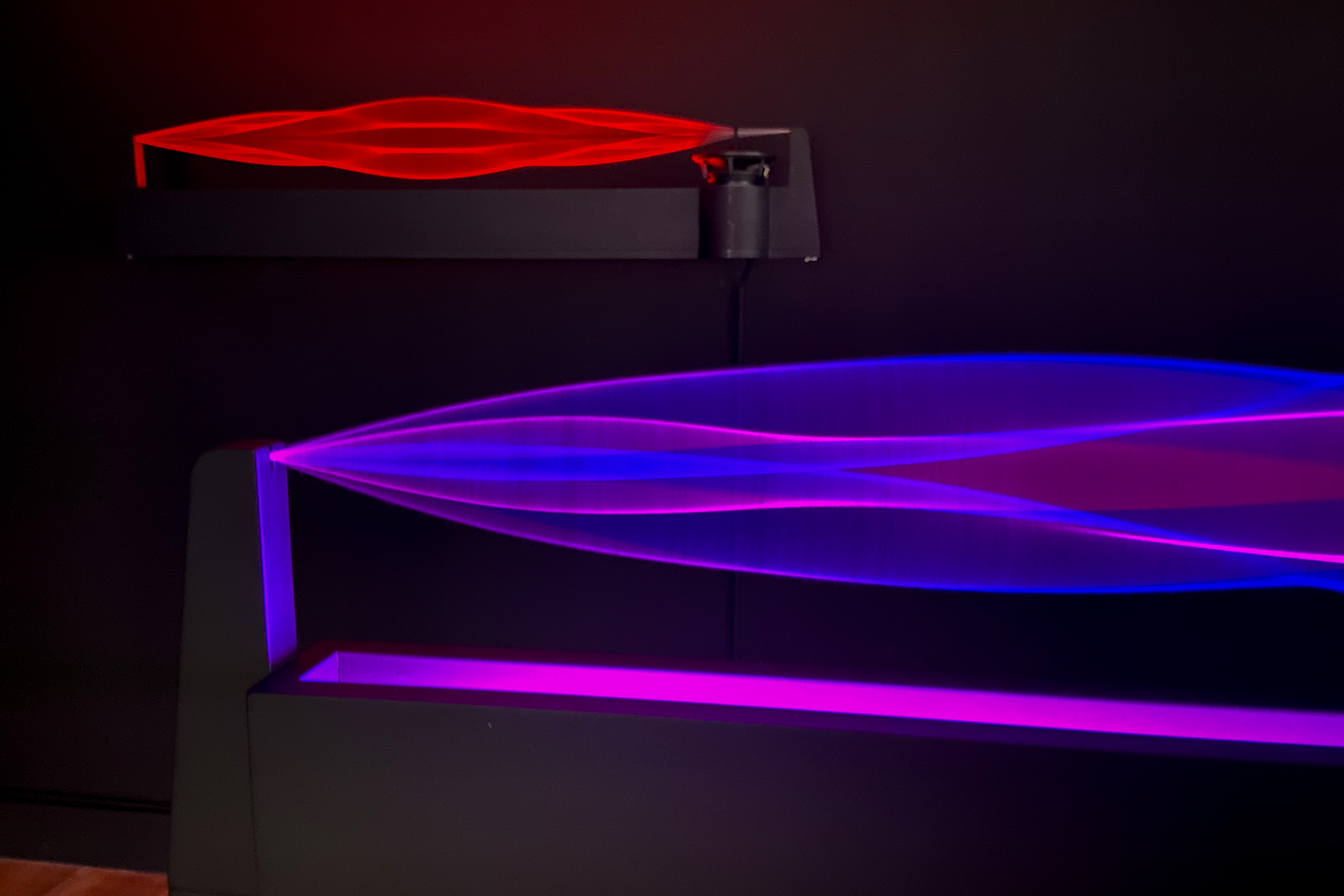
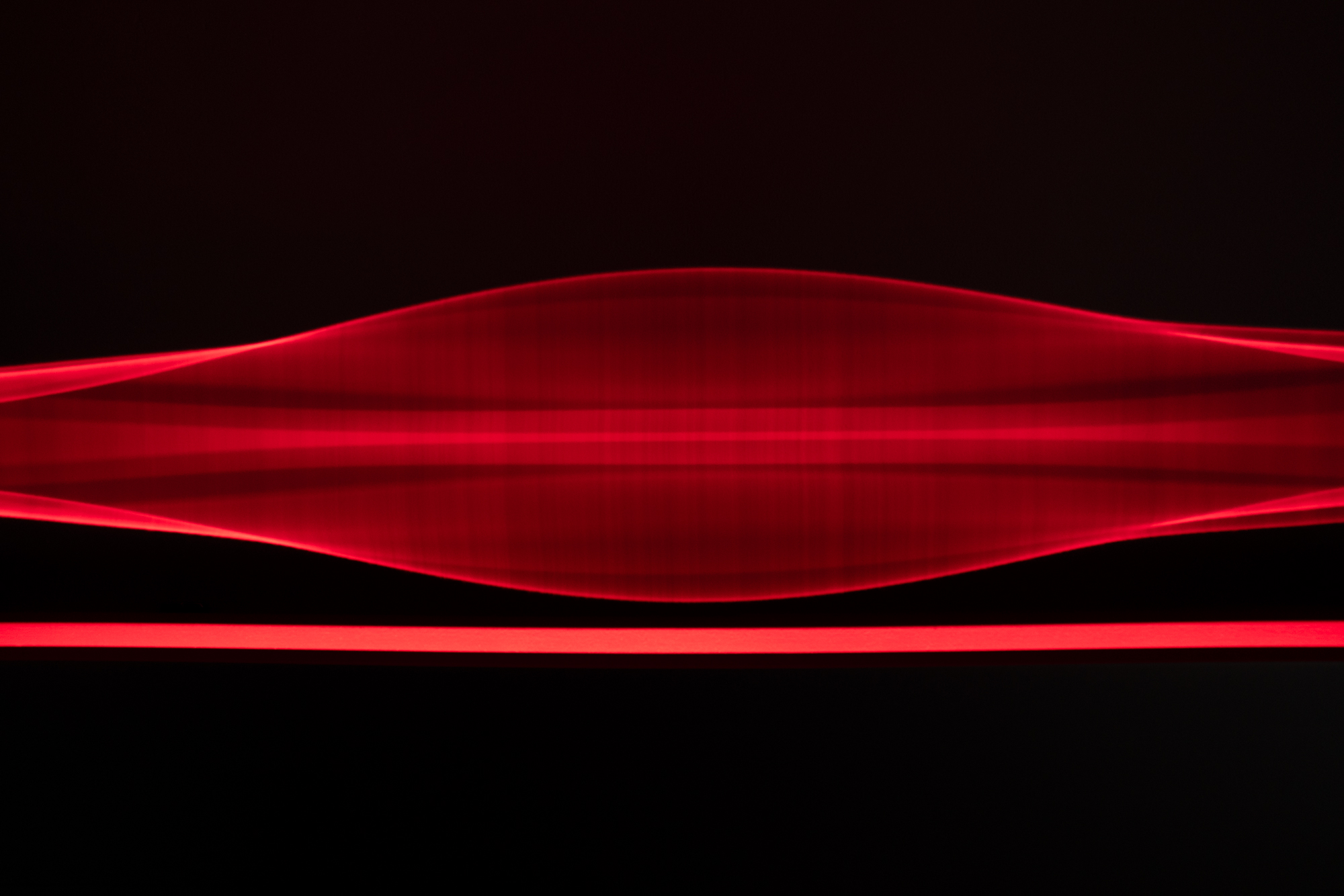
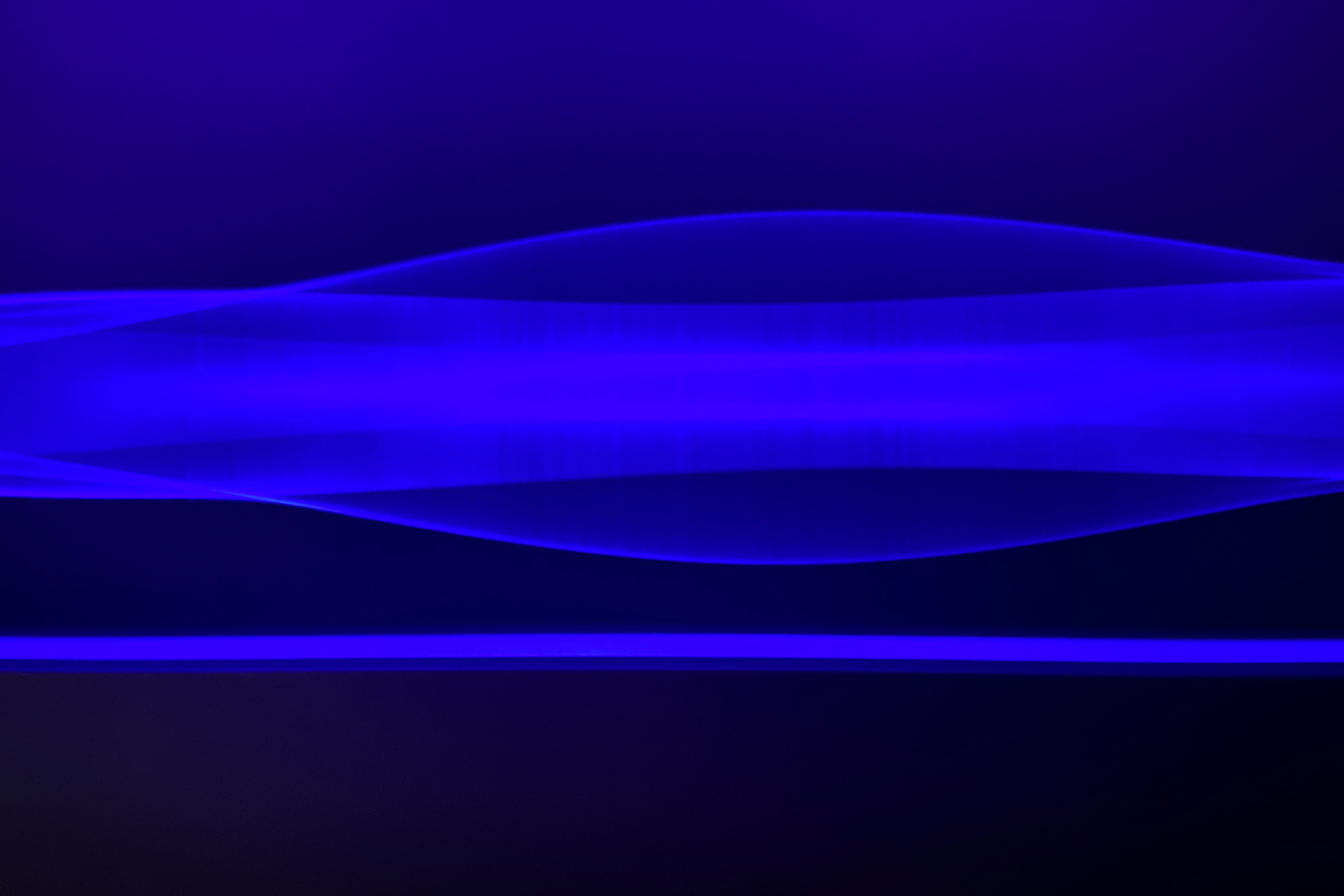
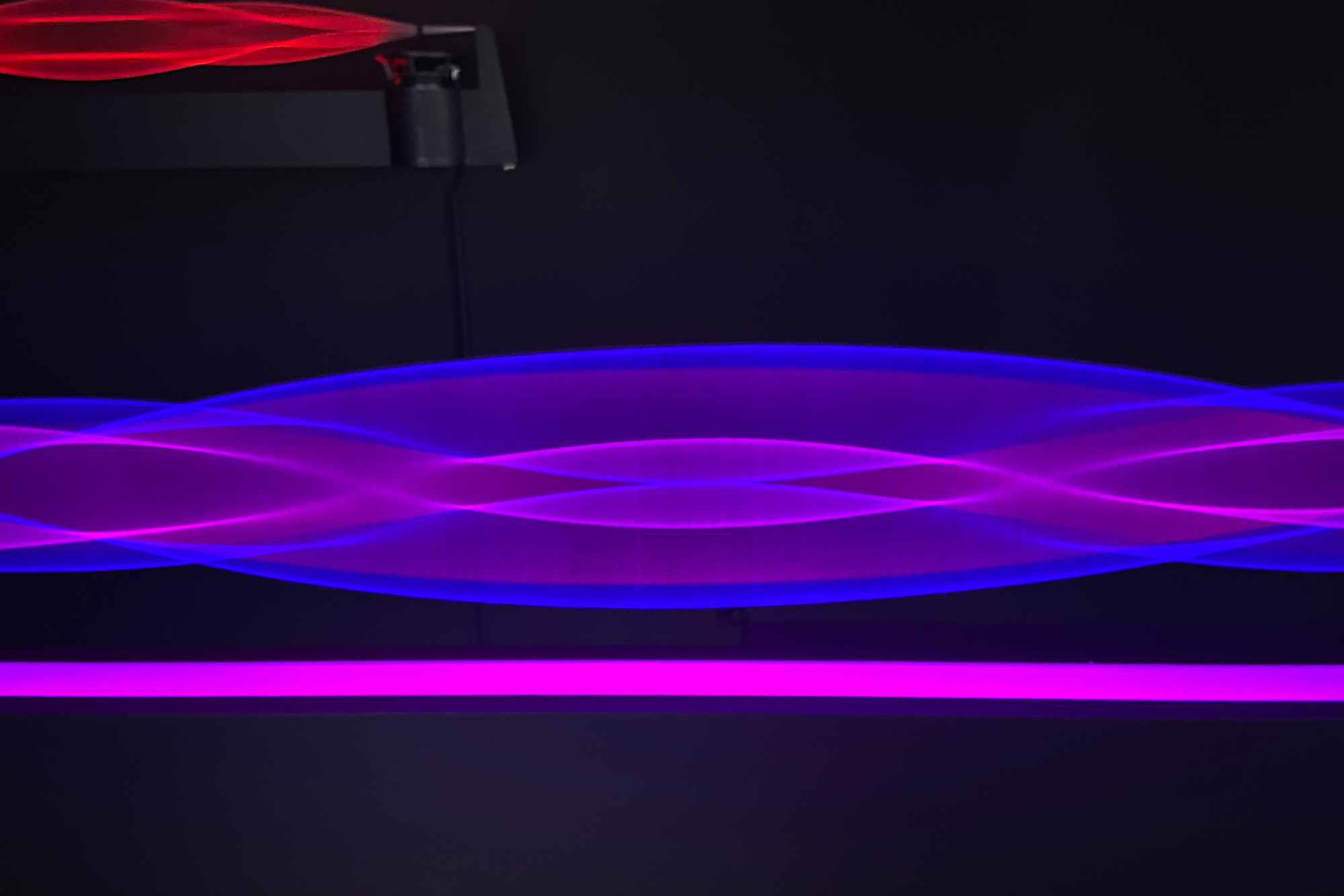
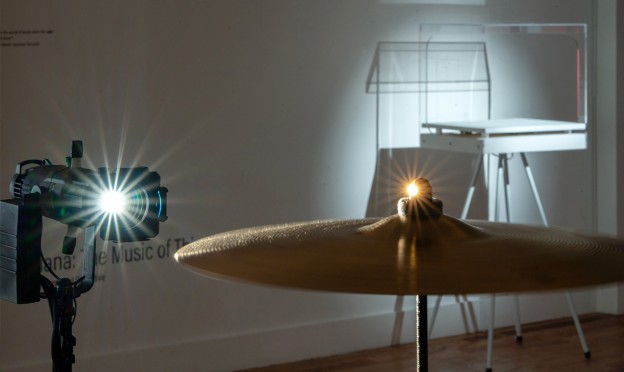
That essential connection animates works such as Lively Matter (2022), in which she has succeeded in making tangible not the sound of a cymbal but the interior vibration of a form we assume to be inert; and it is also what she asks us to perceive—beyond the interplay between visible sounds and luminous waves—in her series Luminous Phrase (2019). Likewise, by unfolding the photographs of different waves of a vibrating cymbal in The Music of Things (2022), she calls us to make a potential musical score resonate within us, and in a certain way, with the vibration of everything that exists since the beginning of the world. The body of Alba Triana’s work contains the silent call to a mode of communion with the universe.
Adriana Herrera